Testosterone Booster Side Effects: The Facts
Are testosterone booster side effects serious?
For most healthy men at sensible doses, testosterone booster side effects are mild and uncommon — usually headache, dizziness or stomach upset at higher doses. The real risks cluster around mega-dosing, unbalanced minerals, medication interactions, and products spiked with hidden prescription drugs, which is why disclosed dosing and third-party testing matter more than any claim on the label.
- Commonly reported: headache, dizziness and GI upset, mostly at high doses or on an empty stomach.
- The dose trap: more is not safer — for example, zinc above 40 mg/day long-term can deplete copper and cause anemia or nerve problems.
- The safer path: the FDA does not pre-test supplements, so a fully disclosed, third-party-tested formula beats a hidden proprietary blend.
Search “testosterone booster side effects” and you will find two extremes: pages insisting these products are perfectly safe, and pages implying they will wreck your heart. Neither is honest, and neither helps you decide. The truthful picture is more boring and far more useful. Most well-formulated botanical testosterone boosters are well tolerated; the side effects that do occur are usually mild, dose-related and predictable; and the genuinely dangerous scenarios are specific, identifiable and largely avoidable once you know what to look for. This is the guide that treats you like an adult and lays out all three.
What a “testosterone booster” actually is
The phrase is marketing, not medicine. A testosterone booster is a dietary supplement — usually a mix of botanicals, amino acids and sometimes minerals — sold on the idea that it supports the body's own hormone production or the downstream effects men associate with it: energy, libido, drive. It is not testosterone. It does not add hormones to your body the way a prescribed testosterone therapy does, and its side-effect profile is therefore completely different from, and generally much milder than, medical hormone treatment. Keeping that distinction straight is the first step to reading any safety claim sensibly.
Because the ingredients vary so much brand to brand, there is no single “side-effect list” for the category. A caffeine-heavy pre-workout-style formula behaves differently from a calming ashwagandha-and-maca blend. So the smarter question is not “are testosterone boosters safe?” but “what is in this one, at what dose, and does the label tell me?”
The commonly reported testosterone booster side effects
Across the botanicals and nutrients that dominate this category, the same short list of mild effects comes up again and again:
- Headache and dizziness. Often linked to circulation-focused ingredients or to stimulants, and more likely at the top of the dose range.
- Gastrointestinal upset. Nausea, loose stools or stomach cramping, most common when a dose is taken on an empty stomach. Taking supplements with food usually settles this.
- Sleep disruption and jitteriness. Any formula containing caffeine or other stimulants can cause restlessness or poor sleep, especially taken later in the day.
- Oily skin or mild acne. Reported occasionally, generally minor and reversible.
- Irritability or mood changes. Uncommon, and again more associated with stimulant load than with the botanicals themselves.
None of these are trivial to the person experiencing them, but as a class they are low-grade, reversible and dose-dependent. The pattern to internalise is that most botanical side effects scale with how much you take — which is exactly why the next section matters so much.
When higher doses turn a benefit into a risk: the zinc-copper trap
“More is better” is the single most expensive belief in the supplement aisle, and minerals show why it is wrong. Zinc is a legitimate contributor to normal testosterone and is a common testosterone-booster ingredient. But zinc taken long-term above roughly 40 mg a day — the tolerable upper limit for adults — competes with copper absorption and can drive a copper deficiency. That deficiency is not cosmetic: it can cause anemia and neurological problems such as numbness and impaired coordination. The fix is simple and tells you a lot about a formulator's thinking — a well-designed product either keeps zinc within a sensible range or pairs it with a small amount of copper (commonly 1–2 mg) to protect the balance.
This is the general principle behind almost every serious supplement side effect: the problem is rarely the ingredient and almost always the amount. A dose that supports a system at 15 mg can quietly undermine a different one at 60 mg. It is the reason we care so much about disclosed, sensible dosing, and the reason a mega-dosed “maximum strength” label should raise an eyebrow rather than your expectations. If you want the flip side of this coin — the doses that actually do something — our deep dive on tongkat ali benefits and dosage walks through how a real dose-response curve behaves.
Ingredient interactions and medications to watch
The most important safety conversations are not about the supplement alone — they are about the supplement plus whatever else you take. Flag the following with a clinician before starting anything:
- Nitrates and blood-pressure medication. Anything marketed on blood flow deserves caution here, because stacking vasodilating effects can drop blood pressure too far.
- Blood thinners. Several botanicals can mildly affect clotting; combine with warfarin or similar drugs only under medical guidance.
- Antidepressants (especially SSRIs) and other mood medication. Some adaptogens and herbs interact, and the combination should be supervised.
- Diabetes medication. Ingredients that influence blood sugar can compound the effect of glucose-lowering drugs.
- Stimulant sensitivity or heart rhythm issues. Even modest caffeine matters if you are sensitive or have an arrhythmia.
This is not a reason for fear — it is a reason for a five-minute chat with a pharmacist or doctor, who can check your specific medication list. That single conversation removes most of the real risk in this category for the average buyer.
Can testosterone boosters be dangerous? The heart and prostate questions
Two worries dominate reader mail: the heart and the prostate. On the evidence, legitimate botanical boosters at sensible doses have not been shown to cause heart disease or prostate disease. The heart concern that is real and documented is different: it comes from tainted products. The FDA maintains a standing public list of sexual-enhancement and “testosterone” supplements found to contain undeclared prescription drugs — most often PDE5 inhibitors — which are hazardous precisely because they can interact catastrophically with nitrates and blood-pressure medication in men who had no idea they were taking a drug at all.
That reframes the whole safety question. The danger is not usually the honest herb on the label; it is the dishonest drug that is not on the label. Which is why every safety-minded checklist ends in the same place: buy from transparent sellers, favour third-party-tested products, and be suspicious of anything promising drug-like, same-day results from “natural” ingredients. For the prostate specifically, men with existing prostate conditions should simply clear any new supplement with their doctor — a sensible default rather than a special warning.
Two myths worth clearing up
Myth 1: “Natural means side-effect-free.” Natural substances are still pharmacologically active — that is the entire point of taking them. “Natural” tells you about origin, not about safety, dose or interactions. The zinc example above is “natural” too.
Myth 2: “If it were risky, the FDA wouldn't allow it.” This is the most dangerous misunderstanding in the category. In the United States the FDA does not approve or pre-test dietary supplements before they go on sale; it acts mainly after problems are reported. Manufacturers are responsible for their own safety and labelling. That legal reality is exactly why the burden of verification falls on you, and why a brand that discloses everything is doing you a favour that the law does not require of it.
Why transparent dosing is the safer path
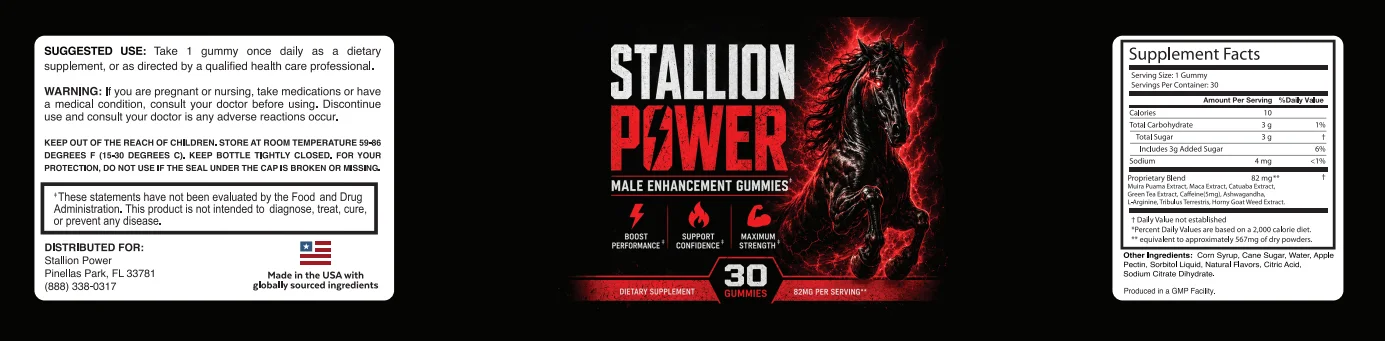
Everything above points to one conclusion: in a market with no pre-market testing, disclosure is the closest thing to a safety guarantee you can get before you buy. A product that prints every ingredient and every amount lets you check the dose against the research, spot a mega-dosed mineral, and hand a complete list to your pharmacist. A product that hides its amounts inside a proprietary blend takes all of that away — and asks you to trust it anyway.
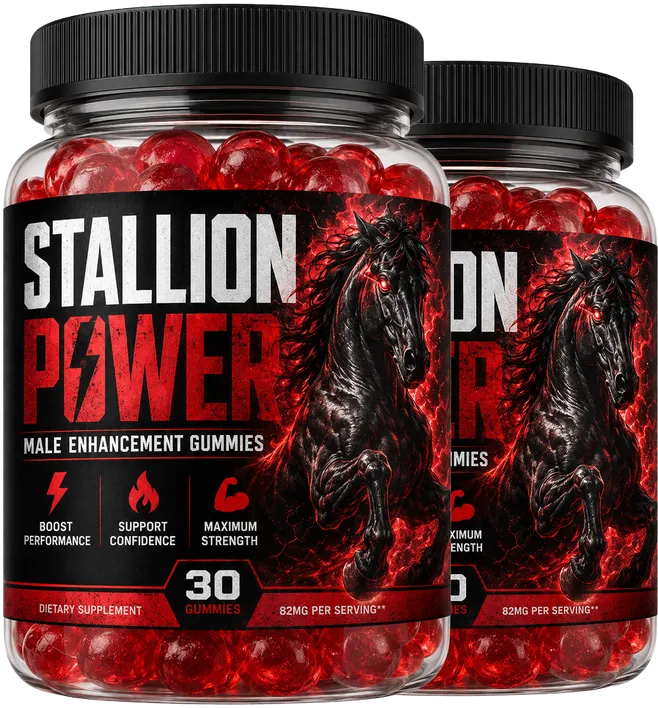
We review Stallion Power, a once-daily male-support gummy, and we will be straight about where it lands on this scale. Its formula is largely botanical — maca, muira puama, catuaba, ashwagandha, green tea and horny goat weed, plus L-arginine and Tribulus — with a small, disclosed 5 mg of caffeine, and notably no mega-dosed minerals like the zinc discussed above. That botanical, low-stimulant profile is reassuring on the side-effect front. What we do not hide is the trade-off: the amounts sit inside an 82 mg proprietary blend, so most individual doses are not broken out. We think that is worth knowing before you order, which is the whole reason this site exists — and it is spelled out in full in our honest assessment of whether Stallion Power works.
A low-stimulant botanical blend, disclosures and all
One gummy a day, mostly botanicals, just 5 mg caffeine and no mega-dosed minerals — with a 60-day guarantee. See the full ingredient list and current pricing before you decide.
See The Full Formula & PricingWho should not take a testosterone booster
Some people should not use these products, or should only use them with medical sign-off:
- Anyone under 18.
- Men taking nitrates, blood thinners, blood-pressure medication, antidepressants or diabetes drugs, unless a clinician has approved it.
- Men with hormone-sensitive conditions, liver disease or kidney disease.
- Anyone with a heart rhythm disorder or significant stimulant sensitivity, particularly for caffeinated formulas.
- Anyone managing a diagnosed medical condition — the safe default is to ask first.
If you are none of the above, healthy, and buying a transparent, sensibly dosed product, the odds of a serious problem are low. If you want to go a step further and compare how different formulas stack up on disclosure and dosing, our breakdown of the best testosterone boosters this year applies exactly this lens across the market.
Judge a formula by what it's willing to tell you
The safest supplement is the one that hides nothing. Review Stallion Power's ingredient list, its low-stimulant profile and its 60-day guarantee, then decide with your eyes open.
Order From The Official StoreFrequently asked questions
What are the side effects of testosterone boosters?
Most botanical testosterone boosters are well tolerated, but the commonly reported side effects are headache, dizziness, and mild gastrointestinal upset such as nausea or loose stools, usually at higher doses or on an empty stomach. Stimulant ingredients like caffeine can add jitteriness or disrupted sleep, and some mineral-heavy formulas can throw nutrients out of balance over time.
Can testosterone boosters be dangerous?
For most healthy men at sensible doses they are low risk, but danger rises with mega-doses, hidden proprietary blends, and unlisted ingredients. The most serious documented harm in this category comes from products secretly spiked with prescription drugs, which is why third-party testing and full label disclosure matter more than any marketing claim on the front of the bottle.
Do testosterone boosters affect the heart or prostate?
Legitimate botanical boosters have not been shown to cause heart or prostate disease, but anything sold on a blood-flow mechanism deserves caution if you take nitrates or blood-pressure medication, and men with prostate conditions should clear any new supplement with their doctor first. Undeclared PDE5 drugs in tainted products are the real cardiovascular hazard to avoid.
Who should not take a testosterone booster?
Skip them if you are under 18, if you take nitrates, blood thinners, blood-pressure medication, antidepressants or diabetes drugs without medical sign-off, or if you have a hormone-sensitive condition, liver or kidney disease. Anyone managing a health condition or on regular medication should confirm with a clinician before starting, because supplements can interact with prescriptions.
Related reading
References
- NIH Office of Dietary Supplements — Zinc (Health Professional Fact Sheet), including tolerable upper intake and copper interaction
- FDA — Questions and Answers on Dietary Supplements (no pre-market approval)
- FDA — Tainted Sexual Enhancement Products
- NIH Office of Dietary Supplements — Copper (Health Professional Fact Sheet)
- MedlinePlus — Dietary Supplements, National Library of Medicine