Ashwagandha for Testosterone and Libido: What It Really Does
Does ashwagandha increase testosterone?
Ashwagandha can support testosterone modestly and indirectly. Its strongest evidence is for lowering stress and improving sleep, and because chronically high cortisol suppresses testosterone, easing that stress load is the main route by which ashwagandha helps. It is not a direct hormone, and the clearest gains show up in stressed or sleep-deprived men.
- The real mechanism: lower cortisol, better sleep and recovery — with testosterone support as a downstream effect.
- The studied dose: KSM-66 at around 600 mg per day, taken consistently for eight to twelve weeks.
- Not a cure-all: it supports libido but is not a standalone treatment for erectile dysfunction.
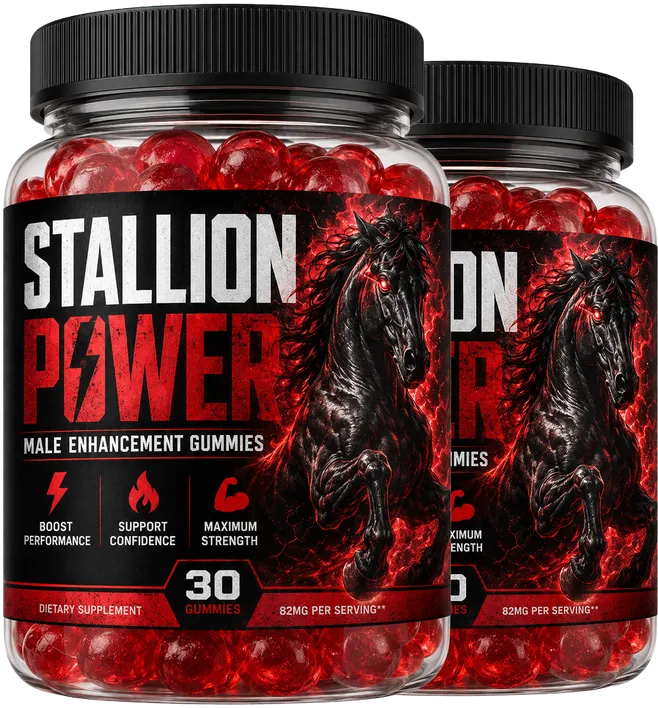
Ashwagandha has become the headline ingredient in half the men's supplements on the shelf, and the marketing has run well ahead of the science. So let us do the honest version. Does ashwagandha increase testosterone? Yes — a little, indirectly, and mostly by fixing something else first. Understanding that “something else” is the difference between using this herb well and being disappointed by it, and it is exactly the kind of nuance the sales pages skip.
This article covers what ashwagandha genuinely does for testosterone and libido, the dose the research actually used, the cortisol pathway that drives its results, and how it stacks with ingredients like tongkat ali and zinc. It also tells you where the herb is oversold — because a realistic picture is what keeps you from wasting eight weeks and a refund window.
How ashwagandha supports testosterone: the cortisol pathway
Ashwagandha is an adaptogen, which is a fancy way of saying it helps the body manage stress. Its most consistent, best-replicated effect in human studies is lowering cortisol — the primary stress hormone — and improving perceived stress and sleep quality. That is where the interesting part begins, because cortisol and testosterone sit on opposite ends of a see-saw.
When you are chronically stressed, cortisol stays elevated, and sustained high cortisol suppresses testosterone production. This is not folklore; it is a well-described physiological relationship. So when ashwagandha lowers cortisol, it removes one of the brakes on your own testosterone. The testosterone “increase” you read about in headlines is, in most cases, this brake coming off — a downstream benefit rather than the herb directly manufacturing hormone. That distinction matters, because it predicts who benefits most: stressed, under-slept, over-worked men have the most brake to release. A relaxed, well-rested man with normal cortisol has less to gain.
The sleep angle deserves its own line, because it is doing more of the heavy lifting than people realise. A large share of your daily testosterone is produced during sleep, particularly in the deeper stages, so poor or broken sleep quietly drags the whole system down. Ashwagandha's documented improvements in sleep quality feed straight into this: better sleep supports better overnight hormone production, which supports the energy and drive you actually notice during the day. In practice, then, ashwagandha's effect on testosterone is not one mechanism but a small stack of them — less cortisol, deeper sleep, better recovery — each modest on its own and more meaningful together. That is also why it rewards patience: you are letting several slow systems settle, not flipping a switch.
The dose that actually matters: KSM-66 at ~600 mg
Here is where most supplements quietly fail. The ashwagandha research that people cite was run on standardised extracts — most famously KSM-66 — at around 600 mg per day, taken consistently for eight to twelve weeks. Not raw powder scattered into a blend, and not a token amount for label decoration.
Two things follow. First, a standardised extract is dosed lower than raw root powder because it concentrates the active compounds (withanolides), so you cannot compare a “600 mg KSM-66” to “600 mg root powder” and expect the same effect — match the dose to the specific extract named on the label. Second, and this is the one that catches people out: if a product hides ashwagandha inside a proprietary blend without disclosing its individual amount, you have no way of knowing whether you are getting a studied 600 mg or a sprinkle. We walk through exactly how a blend caps and conceals its ingredient amounts in our explainer on why a proprietary blend total can hide the dose that matters — it applies to ashwagandha as much as to anything else.
Ashwagandha and libido: real, but not what you think
There is reasonable evidence that ashwagandha supports libido — but the mechanism is worth being precise about, because it changes what you should expect. The libido benefit runs largely through the same door as everything else: lower stress, better sleep, improved mood and general wellbeing. When you are less frazzled and sleeping properly, desire tends to return. That is a genuine and valuable effect. It is also a very different thing from a blood-flow drug that acts on the erection mechanism directly.
This is the honest boundary that responsible writing has to hold: ashwagandha is not a standalone treatment for erectile dysfunction. If you have persistent trouble with erections, that warrants a conversation with a doctor, not a gummy — sometimes ED is an early signal of something worth checking. Ashwagandha can be part of a healthy man's toolkit for drive and stress resilience. It is not a substitute for medical care, and anyone selling it as one is overreaching.
Ashwagandha works on a schedule — so plan for it
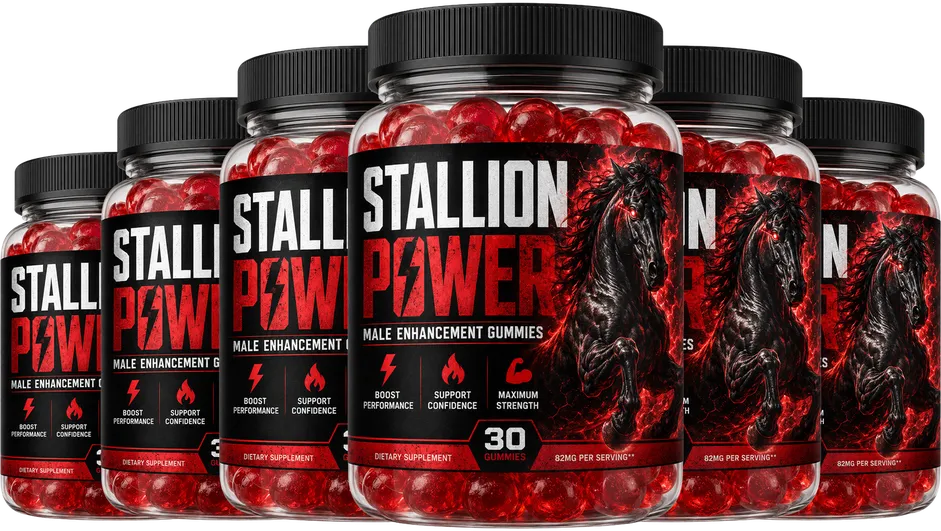
The studied effects show up over eight to twelve weeks of daily use, not days. Stallion Power puts ashwagandha in a once-daily gummy alongside eight other botanicals — and a multi-bottle supply covers the full window with a 60-day guarantee behind it.
See Bundles & GuaranteeHow ashwagandha pairs with tongkat ali and zinc
Ashwagandha is rarely used alone, and for a good reason: it covers one pathway well and leaves others untouched. The most sensible stacking targets complementary mechanisms rather than piling on more of the same.
- Ashwagandha handles the stress-and-cortisol side — the brake-release described above. It is the foundation piece.
- Tongkat ali (200–400 mg) brings the more direct drive and free-testosterone data, with erection-quality gains that tended to appear around the eight-to-twelve-week mark in trials. It attacks the problem from a different angle than ashwagandha does.
- Zinc (25–40 mg) is a straightforward production cofactor; it is a mineral your body needs to make testosterone, and deficiency is a correctable cause of low levels.
Together, those three cover stress, drive and raw production — which is why you see them combined so often. The rule when stacking is unglamorous but decisive: choose standardised, third-party-tested extracts with disclosed doses, and if you take any medication, clear the stack with a doctor first. For a wider view of how these ingredients sit together in a formula, our guide to building a natural testosterone booster stack that actually hits studied doses lays out the whole picture.
Three myths worth clearing up
Ashwagandha attracts more hype than almost any other supplement ingredient, so here are the three claims to treat with suspicion.
- Myth 1: “Ashwagandha skyrockets testosterone.” The effect is real but modest and indirect, driven mostly by lowered cortisol. Anyone promising a dramatic hormone surge from a herb is selling, not informing. Expect a nudge, felt most by stressed and under-slept men.
- Myth 2: “Any ashwagandha on the label is enough.” Form and dose are everything. A studied standardised extract near 600 mg is not the same as an undisclosed pinch in a blend. If the amount is hidden, treat the benefit as unproven for that product.
- Myth 3: “It fixes erectile dysfunction.” It supports libido via stress and sleep; it does not act on the erection mechanism the way medication does, and persistent ED is a reason to see a doctor. Honest is better than hopeful here.
Where ashwagandha sits in Stallion Power
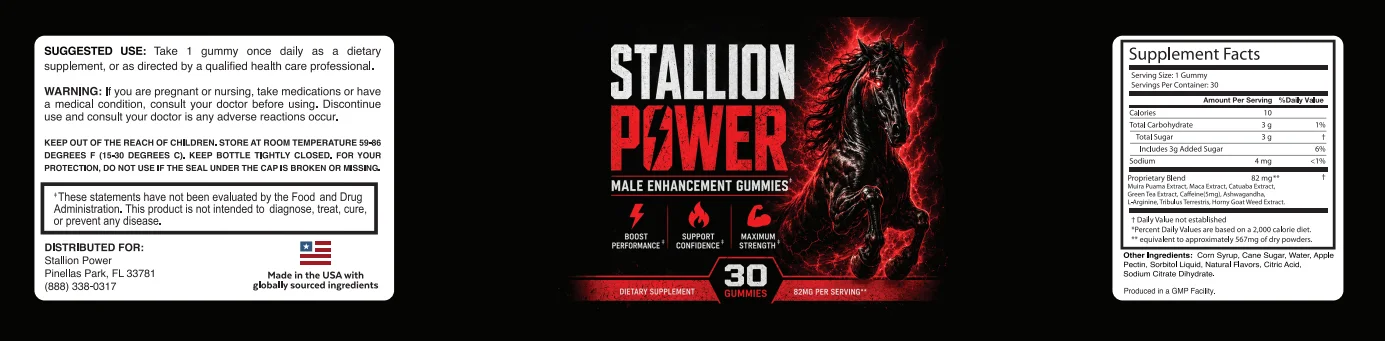
Stallion Power is a once-daily male-enhancement gummy with an 82 mg proprietary blend across nine named ingredients, and ashwagandha is one of them — alongside maca, muira puama, horny goat weed extract and others. Of everything on the label, ashwagandha is the ingredient with the most relevant human research behind it, and its stress-and-sleep-first mechanism is exactly the kind of slow-build effect you would expect from a daily botanical rather than an instant one.
In the spirit of the rest of this site, here is the caveat you deserve: because the amounts inside the 82 mg blend are not individually disclosed, we cannot confirm the ashwagandha lands at or near the studied ~600 mg dose, and the small blend total is worth weighing against the research ranges. What we can say is that ashwagandha belongs in a men's formula, that the way to test any ashwagandha product is a consistent eight-to-twelve-week run, and that the gummy format helps with the daily adherence the herb actually requires. For the full formula read, see whether Stallion Power works when you judge it ingredient by ingredient, and pair it with the lifestyle levers in our guide to natural ways to boost testosterone through sleep, training and stress control — which, fittingly, is the same pathway ashwagandha works on.
Put ashwagandha to work on a daily schedule
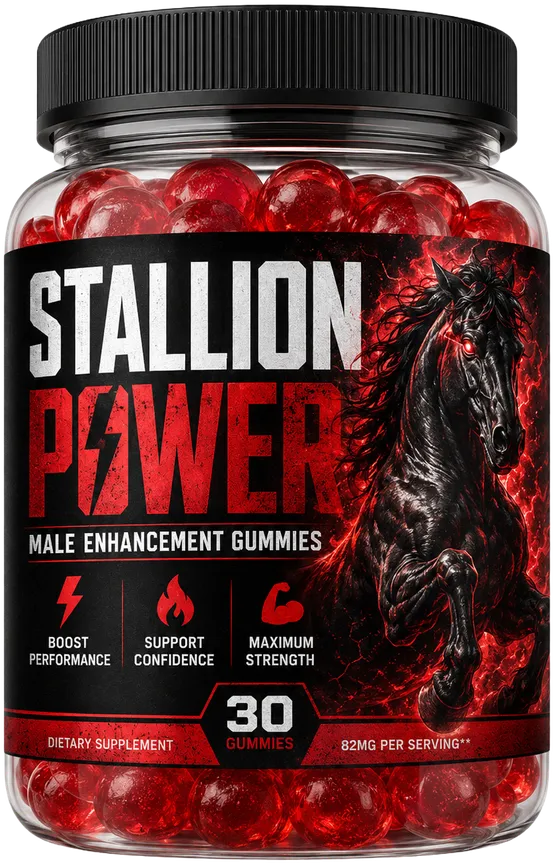
If a once-daily gummy that includes ashwagandha alongside eight other botanicals fits how you actually take supplements, the official store lists current pricing and a 60-day guarantee so an eight-to-twelve-week trial stays low-risk.
Order From The Official StoreFrequently asked questions
Does ashwagandha increase testosterone?
It can, modestly and indirectly. Ashwagandha's strongest evidence is for lowering stress and improving sleep; because chronically high cortisol suppresses testosterone, easing that stress load is the main way it supports T. It is not a direct hormone and the effect is a downstream benefit, clearest in stressed or sleep-deprived men.
How much ashwagandha should I take for T?
The most studied form is KSM-66 at around 600 mg per day, usually taken consistently for eight to twelve weeks. Standardised extracts are dosed lower than raw root powder because they concentrate the active withanolides, so match the dose to the specific extract on the label rather than to a generic milligram number.
Does ashwagandha help with libido and erections?
There is reasonable evidence it supports libido, largely through lower stress, better sleep and improved wellbeing rather than a direct blood-flow effect. It is not a standalone treatment for erectile dysfunction, and anyone with persistent ED should see a doctor rather than rely on a supplement to fix it.
Can I take ashwagandha with tongkat ali?
Yes, they are commonly paired and target complementary pathways: ashwagandha works mainly on stress and cortisol, while tongkat ali has more direct drive and free-testosterone data. Zinc rounds the stack out as a production cofactor. Choose standardised, third-party-tested extracts and check with a doctor if you take medication.
Related reading
References
- Ashwagandha (KSM-66), stress and cortisol outcomes, National Library of Medicine
- NIH Office of Dietary Supplements — Ashwagandha
- NIH Office of Dietary Supplements — Zinc (Health Professional Fact Sheet)
- MedlinePlus — Erectile Dysfunction, National Library of Medicine
- FDA — Tainted Sexual Enhancement Products