7 Natural Ways to Boost Testosterone
What are the most effective natural ways to boost testosterone?
The highest-evidence natural ways to boost testosterone are all lifestyle habits: lift weights and stay active, sleep seven to nine hours, correct a vitamin D deficiency, eat enough zinc and magnesium, lose excess body fat, manage chronic stress, and limit alcohol. Together these outperform any pill — supplements matter most for closing genuine nutrient gaps.
- Biggest levers: training, sleep and fat loss move testosterone more than anything you can swallow.
- Fix deficiencies first: correcting low vitamin D (about 3,000 IU/day) raised testosterone ~25% over a year in deficient men.
- Protect it: just five hours of sleep for a week cut testosterone by ~10–15% in healthy young men.
If you want to know the natural ways to boost testosterone that actually have evidence behind them, here is the good news: the best ones are free, and you already have access to all of them. Testosterone is not a number you are stuck with. It responds — sometimes dramatically — to how you train, sleep, eat and manage stress. This guide ranks seven habits by how much the research says they move the needle, explains why each one works, and finishes by being honest about the narrow, real role a supplement can play once the foundations are handled. No hype, no shortcuts that do not exist — just the levers that work.
1. Lift weights and keep moving
Exercise is the closest thing to a universal testosterone lever, and resistance training leads the pack. Lifting weights — especially compound movements like squats, deadlifts, presses and rows that recruit large muscle groups — produces an acute rise in testosterone and, more importantly, supports healthier long-term levels by building muscle and improving insulin sensitivity. You do not need to train like a competitive lifter; two to four focused sessions a week, progressively adding load or reps, is plenty.
Cardio matters too, but its main contribution is indirect: it burns fat and improves cardiovascular health, both of which support hormonal balance. The trap to avoid is chronic overtraining — grinding out excessive endurance volume with poor recovery can actually suppress testosterone by keeping stress hormones elevated. The sweet spot is challenging, consistent training paired with real rest. Movement outside the gym counts as well: a daily walk and simply sitting less both help, particularly if your job is sedentary.
2. Fix your sleep — it is not optional
If you take only one thing from this article, make it this. The bulk of your daily testosterone is produced while you sleep, which makes sleep debt a direct hormonal tax. In a now-classic controlled study, restricting healthy young men to around five hours a night for a single week dropped their daytime testosterone by roughly 10 to 15 percent — the equivalent of aging ten to fifteen years, caused in one week of short nights.
Aim for seven to nine hours of quality sleep. The mechanics are unglamorous but they work: a consistent sleep and wake time, a cool and genuinely dark room, no screens for the last hour, and caffeine cut off by early afternoon. If you snore heavily or wake unrefreshed no matter how long you spend in bed, get screened for sleep apnea — it is strongly linked to low testosterone and it is treatable. No supplement on earth out-performs fixing broken sleep, and it is the reason we list it second only to training.
3. Correct a vitamin D deficiency
Vitamin D behaves less like a vitamin and more like a hormone, and receptors for it sit in the tissues that produce testosterone. The evidence is nuanced in an important way: supplementing helps men who are actually deficient, not men who already have healthy levels. In a year-long trial, men taking about 3,000 IU of vitamin D daily saw total testosterone rise roughly 25 percent compared with placebo — a large effect, but one driven by correcting a shortfall.
Because deficiency is extremely common, especially in men who work indoors or live at higher latitudes, this is one of the easiest wins available. The smart sequence is to test your level, get sensible sun exposure where you can, eat vitamin-D-rich foods like fatty fish, and supplement to correct a genuine deficiency rather than blindly. This “fix the gap, do not mega-dose” principle is the through-line of every honest supplement decision, and we apply it across the board in our guide to natural testosterone boosters.
4. Eat for the minerals that matter
Two minerals do disproportionate work for male hormones: zinc and magnesium. Zinc is directly involved in testosterone production, and a deficiency can lower levels; oysters are famously the richest source, but red meat, poultry, shellfish, beans and seeds all contribute. Magnesium, abundant in leafy greens, nuts and whole grains, supports the amount of testosterone that circulates in a usable form and tends to run low in men who train hard.
The caveat is the same one that governs the whole category: correct a shortfall, do not overshoot. More zinc is not more testosterone once you are replete — and long-term high-dose zinc can actually backfire by depleting copper. Beyond the minerals, the wider dietary picture matters: eat enough total calories and protein (crash dieting suppresses testosterone), and do not fear dietary fat, since cholesterol is the raw material your body builds testosterone from. Extreme low-fat diets are a quiet way to lower it.
5. Lose excess body fat
Body composition is one of the strongest predictors of testosterone in men, and this is where many of the other habits pay off at once. Excess fat — particularly visceral fat around the abdomen — contains an enzyme called aromatase that converts testosterone into estrogen, so carrying too much fat actively drags your levels down. The relationship is strong enough that studies of men losing significant weight have reported testosterone improvements of up to roughly 30 percent.
The encouraging part is that fat loss stacks with everything above: training builds the muscle that burns fuel, sleep controls the appetite hormones that make dieting bearable, and lower stress reduces the cortisol-driven cravings that sabotage it. You do not need to get lean overnight. Even a moderate reduction in waist size, achieved slowly and sustainably, can produce a meaningful hormonal payoff — which is why we treat “get to a healthy body fat” as the master habit that amplifies all the others.
6. Lower chronic stress and cortisol
Cortisol, your primary stress hormone, has an inverse relationship with testosterone — when one stays chronically elevated, the other tends to suffer. Acute stress is fine and normal; the problem is the always-on, low-grade stress of modern life that keeps cortisol simmering for months. That sustained elevation can blunt testosterone production and, unhelpfully, drive both poor sleep and fat gain, tightening the loop.
You cannot eliminate stress, but you can manage its load: regular exercise (which doubles as a stressor you control), time outdoors, breathing or meditation practice, real social connection, and simply protecting your sleep. This is also the one lifestyle lever where a specific supplement class has genuine support — adaptogens such as ashwagandha have been studied for reducing cortisol, which is exactly why they appear in so many male-vitality formulas. We break down that specific evidence in our piece on whether Stallion Power lives up to its label.
7. Limit alcohol
Alcohol is the habit most men underestimate. An occasional drink is not the enemy, but regular heavy drinking suppresses testosterone through several routes at once: it interferes with the testes directly, disrupts the sleep that produces most of your testosterone, adds empty calories that promote fat gain, and burdens the liver that helps regulate hormones. Binge drinking in particular can cause a sharp, if temporary, drop.
You do not need to be teetotal. Keeping intake modest — and protecting your sleep on the nights you do drink — removes a surprisingly large drag on the results every other habit on this list is working to produce. Think of it as protecting your investment.
Where a supplement genuinely fits
Notice the order: supplements come last, and on purpose. No pill out-trains a bad training program, out-sleeps five hours a night, or out-eats a poor diet. The honest role of a supplement is narrow but real — closing stubborn nutrient gaps the habits above leave open, and supporting stress management with ingredients like ashwagandha that have some evidence behind them.
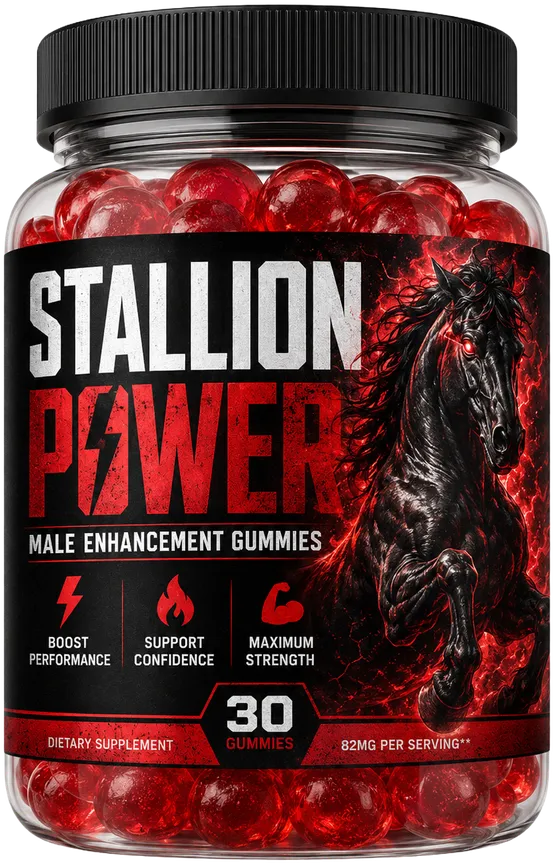
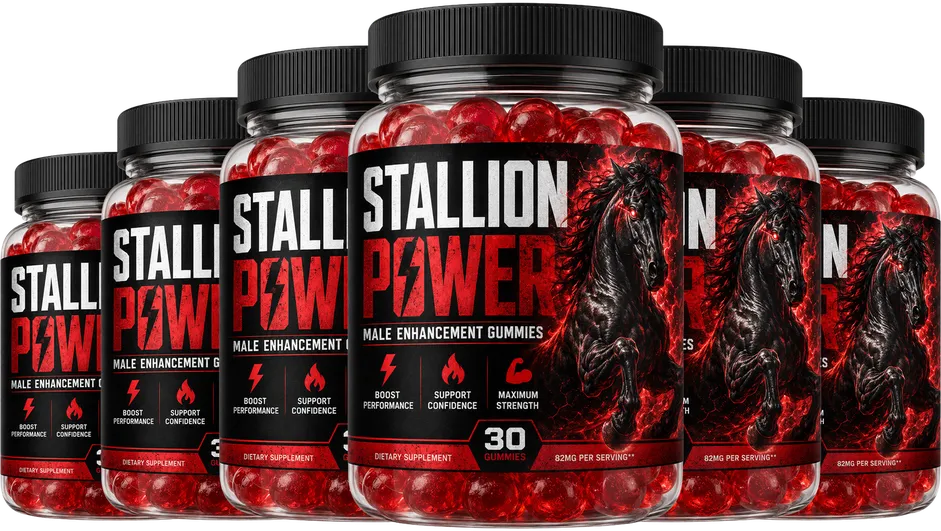
We review Stallion Power, a once-daily male-support gummy, so here is the straight version. Its formula is a botanical blend — maca, muira puama, catuaba, ashwagandha, green tea, horny goat weed, L-arginine and Tribulus, plus a small 5 mg of caffeine — the sort of convenience-first daily stack that makes sense after the seven habits above are in place, not instead of them. We are also transparent about the trade-off: the amounts sit inside an 82 mg proprietary blend, so most individual doses are not broken out on the label. If a simple daily routine helps you stay consistent while you do the real work, it can earn its spot — just buy it as support, not as a substitute.
A once-daily botanical stack to support the habits
One gummy a day, mostly botanicals including ashwagandha, low stimulant, with a 60-day guarantee. See the full ingredient list and current pricing before you commit.
See Stallion Power On The Official StoreHow to put the seven habits together
Do not try to overhaul everything at once — that is how good intentions die by week three. Pick the one or two levers most broken for you right now. For most men that is sleep and body fat, and fixing those two alone can produce a noticeable change over a few months. Add resistance training you can sustain, get your vitamin D tested and corrected, tidy up the minerals through food, keep alcohol modest, and give stress a genuine outlet. Track something concrete — energy, gym numbers, waist size — so you are measuring progress rather than guessing at it.
If you suspect your levels are genuinely low rather than just below your personal best, do not self-diagnose from a blog. Learn the common signs of low testosterone in men and get an actual blood test, because the right next step is different for a deficiency than it is for optimisation. Everything in this guide supports both goals, but only a test tells you which one you are actually chasing.
Fundamentals first, support second
Do the seven habits, then decide whether a convenient daily blend helps you stay consistent. If it does, review Stallion Power's ingredients, low-stimulant profile and 60-day guarantee.
Order From The Official StoreFrequently asked questions
What is the fastest natural way to boost testosterone?
There is no overnight switch, but the fastest meaningful levers are fixing short sleep and starting resistance training, both of which can move things within weeks. If your body fat is high or your vitamin D is low, correcting those adds two of the largest gains available - but they build over months, so consistency beats intensity every time.
Does vitamin D increase testosterone?
It appears to help most in men who are actually deficient. In one year-long study, men supplementing around 3,000 IU of vitamin D a day saw total testosterone rise roughly 25 percent versus placebo. If your level is already healthy, adding more vitamin D is unlikely to push testosterone higher, so testing first is the smart move.
How does sleep affect testosterone?
Testosterone is produced largely during sleep, so short sleep hits it hard. In a controlled study, restricting healthy young men to about five hours a night for one week lowered daytime testosterone by roughly 10 to 15 percent - a decade of aging compressed into a week of bad nights. Prioritising seven to nine hours is one of the highest-return habits there is.
Can I raise testosterone without supplements?
Yes, and for most men the biggest gains come from lifestyle, not pills: training, sleep, losing excess body fat, managing stress and limiting alcohol together outweigh any supplement. Supplements are best reserved for correcting a genuine nutrient gap, such as low vitamin D or zinc, rather than as a replacement for the fundamentals.
Related reading
References
- Leproult & Van Cauter — Effect of 1 Week of Sleep Restriction on Testosterone Levels in Young Healthy Men (JAMA)
- Pilz et al. — Effect of vitamin D supplementation on testosterone levels in men (Hormone and Metabolic Research)
- NIH Office of Dietary Supplements — Vitamin D (Health Professional Fact Sheet)
- NIH Office of Dietary Supplements — Zinc (Health Professional Fact Sheet)
- MedlinePlus — Testosterone, National Library of Medicine