Low Testosterone Signs in Men: What to Look For, What Mimics It, and What Actually Helps
What are the most common low testosterone signs in men?
The most common low testosterone signs in men are low libido, persistent fatigue, low mood, loss of muscle and strength, more belly fat, and poor sleep. Testosterone declines gradually with age, and these signs overlap heavily with vitamin D deficiency, poor sleep, and excess weight, so confirm with a blood test before assuming low T.
- Watch the cluster: libido, energy, mood, muscle, body fat and sleep tend to slip together, not one at a time.
- Blame the overlaps first: low vitamin D, short sleep and extra weight mimic low T and are correctable.
- Test, don't guess: a simple morning blood test tells you whether testosterone is actually low.
Somewhere in your late thirties or forties, a quiet shift can creep in. The workouts that used to build muscle now barely hold the line. The afternoon slump lasts all evening. Your interest in sex has dimmed for no reason you can name, your sleep is shallow, and your mood has flattened into a low grey hum. Any one of these is easy to wave off. Together, they are the classic low testosterone signs men start searching for late at night — and the honest first thing to say is that they are worth taking seriously and also worth not panicking about, because most of what causes them is fixable.
This is an informational guide, not a diagnosis and not a sales pitch dressed as one. We will lay out the symptom cluster that matters, explain why so many of these signs are not actually about testosterone at all, cover what genuinely helps, and be clear about the one step nothing on this page can replace: a blood test. If your levels really are low, that is a conversation for a clinician, not a gummy.
The most common low testosterone signs in men
Testosterone does a lot of unglamorous background work — it influences sex drive, muscle and bone maintenance, red blood cell production, mood, energy and how your body stores fat. When it runs low, the effects show up across several of those systems at once, which is exactly why the pattern is more telling than any single symptom. The commonly reported low testosterone signs are:
- Reduced libido. Often the first thing men notice — a drop in sexual interest that is not tied to stress or a relationship issue.
- Persistent fatigue. Not one bad night, but a settled tiredness that a normal night's sleep does not fix.
- Low or flat mood. Irritability, a loss of drive, or a general sense of the colour draining out of things.
- Loss of muscle and strength. Training the same way but seeing less return, and losing definition you used to keep easily.
- More body fat. Particularly around the middle, sometimes despite no real change in diet.
- Poor sleep. Trouble falling or staying asleep, or waking unrefreshed — which then feeds straight back into the fatigue and mood.
Notice the loop in that last point. Low testosterone can worsen sleep, and poor sleep can lower testosterone, and both drag on mood and energy. That circularity is the theme of this whole topic: the signs feed each other, which is good news, because breaking the loop at one point often helps at several. It is also why chasing a single symptom in isolation rarely works.
At what age does testosterone start dropping?
For most men, testosterone peaks in early adulthood and then begins a slow decline — on the order of roughly one percent a year from around the late thirties onward. Do the arithmetic and a man in his sixties may sit meaningfully below where he was at twenty-five, entirely through normal ageing.
This is the first important distinction to hold onto. That gentle downward slope is not a disease, and it is not the same thing as a clinical deficiency. Plenty of men decline along the normal curve and feel perfectly fine; some men with numbers still in the reference range feel awful for reasons that have nothing to do with hormones. Age raises the odds that testosterone is part of the picture, but it never settles the question on its own. Only symptoms plus a blood test can do that, which is why "I'm 45, it must be low T" is a guess, not a finding.
The look-alikes: what commonly mimics low testosterone
Here is the part most articles skip, and it is the most useful thing on this page. A large share of men who are convinced they have low T are actually looking at one of its impersonators. The symptom lists overlap so heavily that you genuinely cannot tell them apart by feel — which is both the frustration and, ultimately, the opportunity, because these look-alikes are correctable.
- Vitamin D deficiency. Low vitamin D produces fatigue, low mood and muscle weakness — a near-perfect echo of the low-T list, and extremely common in men who spend their days indoors.
- Poor or insufficient sleep. Chronically short sleep flattens energy, mood, libido and recovery, and it independently suppresses testosterone. Fix the sleep and you may fix the "symptom" and raise the hormone at the same time.
- Excess weight. Carrying extra fat, especially around the abdomen, is strongly linked to lower testosterone, and the relationship runs both ways. Weight loss is one of the most reliable levers men have.
- Chronic stress. Sustained stress keeps cortisol elevated, which blunts drive, sleep and libido — the same signs again.
- Thyroid issues, medication side effects and depression. All can present as "low T" and all need their own assessment.
The takeaway is not that testosterone never matters. It is that the correctable overlaps are so common that they deserve your attention first — and that a good chunk of what men blame on hormones responds to the same handful of basics. If you want the deeper version of that argument, our guide to the natural ways to boost testosterone through daily habits walks through each lever in detail.
A daily men's-vitality routine, honestly labelled
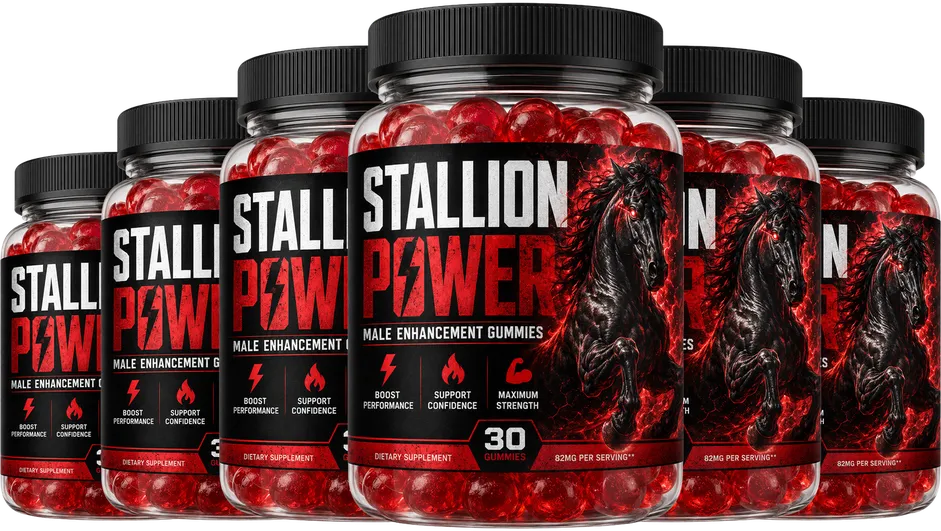
If you are building daily habits around energy and drive, Stallion Power is a once-a-day gummy on the lifestyle side of the plan — with every ingredient amount flagged plainly on our page rather than oversold.
See Stallion Power at the Official StoreWhat actually helps: the basics that move the needle
Because the look-alikes are so correctable, the most effective plan for the vast majority of men is unglamorous and free. These are the levers with the strongest support, roughly in order of impact:
- Sleep, properly. Aim for seven to nine hours on a consistent schedule. Most testosterone is released during sleep, so this is not a wellness cliché — it is the single highest-leverage change most men can make.
- Lose excess fat. If you are carrying extra weight around the middle, reducing it is one of the most reliable ways to support healthy testosterone. You do not need to get lean; moving in the right direction is what counts.
- Lift and move. Resistance training and staying generally active support muscle, mood and hormonal health together. Consistency beats intensity.
- Eat enough, and enough protein. Crash diets and chronic under-eating can suppress testosterone. Whole foods, adequate protein and enough total energy matter more than any single "T-boosting" food.
- Check vitamin D and manage stress. Get vitamin D tested if you are rarely in the sun, and treat chronic stress as a real physiological problem rather than a personality trait.
None of this is exciting, and that is precisely why it is undersold to men who would rather buy a bottle. The bottle is easy; the sleep is hard. But the honest hierarchy puts habits first, and a supplement — if you choose to use one — sits on top of that foundation, not in place of it. For the fuller playbook, see our breakdown of how to naturally increase testosterone with sleep, training and diet.
Where supplements fit — and where they don't
Let us be plain about this, because it is where most men's-health content quietly overpromises. A supplement is not a treatment for a diagnosed testosterone deficiency. If a blood test shows a genuine clinical deficiency, that is a medical matter for a doctor, and no gummy changes that.
What a well-chosen supplement can reasonably do is sit on the lifestyle side of the ledger as general daily support for men who are already covering the basics and want something extra in the routine. That is the honest frame for a product like Stallion Power: a once-daily gummy built on a named blend of botanicals and amino acids traditionally associated with male vitality. We are the independent site that reads its label rather than its sales page, and we say clearly when an amount is small or undisclosed — you can see exactly how thin some of those doses are in our analysis of the L-arginine dose gap in this formula. That transparency is the point. Use a supplement with clear eyes, as support rather than a cure, and it can have a sensible place; treat it as a substitute for sleep, weight and a blood test, and it cannot.
When to get tested and see a clinician
Self-assessment has a hard limit, and this is it. If several of the signs above have persisted for weeks and are genuinely affecting your daily life — your relationship, your work, your motivation — the right next step is not a bigger supplement order. It is a blood test.
Testosterone is usually measured from a morning blood draw, when levels are highest, and often confirmed with a repeat test because a single reading can mislead. Getting tested does three things a guess cannot: it tells you whether testosterone is actually low, it surfaces the look-alikes (a good workup often checks thyroid and vitamin D too), and it lets any decision rest on your real numbers rather than on marketing or anxiety. If the test comes back low, your clinician can discuss what genuinely helps in your specific case. If it comes back normal, you have just saved yourself from chasing the wrong problem — which is its own kind of win.
See a doctor promptly rather than waiting if the symptoms are severe, came on suddenly, or are paired with anything unusual, and always loop in a professional before starting any supplement if you take medication or manage a health condition.
Build the habits first, then decide on the extras
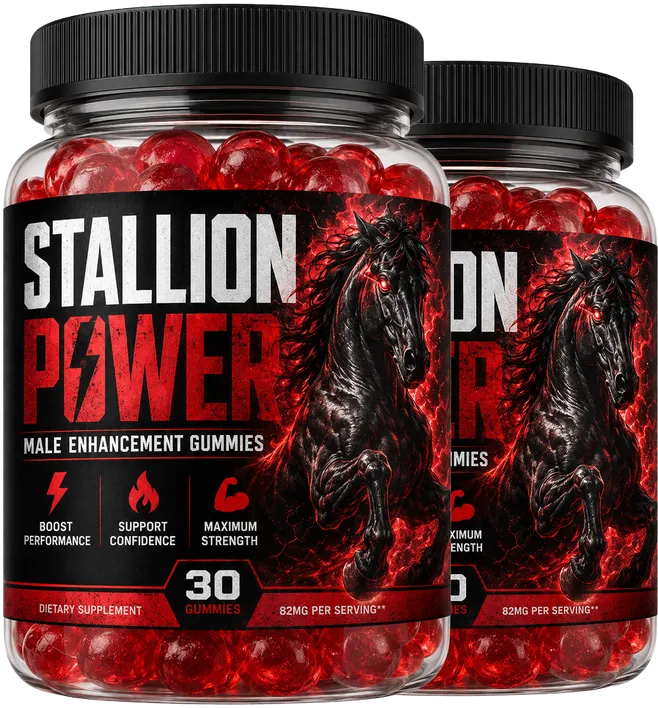
If a daily men's-vitality gummy fits your routine once the basics are in place, Stallion Power is available from the official store with its ingredients and 60-day guarantee laid out plainly.
Order NowFrequently asked questions
What are the signs of low testosterone in men?
The most commonly reported signs are low libido, persistent fatigue, low or flat mood, loss of muscle and strength, an increase in body fat, and poor or unrefreshing sleep. No single sign is proof on its own, because each has other explanations, which is why the cluster matters more than any one symptom and why a blood test is the only way to confirm it.
At what age does testosterone start dropping?
For most men testosterone peaks in early adulthood and then declines slowly, on the order of roughly one percent a year from around the late thirties onward. That gradual slope is normal ageing rather than a disease, and it is different from a genuine deficiency, which a clinician diagnoses from symptoms plus a blood test rather than from age alone.
Can low testosterone be reversed naturally?
The overlaps that mimic low testosterone, such as low vitamin D, short sleep, and excess weight, are often correctable with lifestyle changes, and improving them can help how you feel and support healthy levels. A true clinical deficiency, on the other hand, is a medical matter that a doctor should assess and manage; supplements and habits support general wellbeing but are not a treatment for it.
Should I get my testosterone tested?
If several of the signs persist for weeks and are affecting your daily life, yes, it is worth asking your doctor for a blood test, usually taken in the morning when levels are highest. Testing removes the guesswork, rules in or out other causes such as thyroid or vitamin D issues, and lets any decision be based on your actual numbers.