How to Naturally Increase Testosterone Fast (Without the Hype)
How can I naturally increase testosterone fast?
Fix sleep first, since even one extra hour a night is associated with roughly 15% higher testosterone. Add resistance training, lose excess body fat, eat enough protein and dietary fat, get your zinc and vitamin D, and cut chronic stress. These levers stack, and the first changes can show within a few weeks.
- Biggest lever: sleep — short sleep suppresses testosterone faster than almost anything else you do.
- Body composition: losing excess fat can lift testosterone meaningfully, with some men seeing up to a ~30% improvement.
- Close the nutrient gaps: zinc and vitamin D shortfalls drag production down, and a food-first diet does not always cover them.
If you want to naturally increase testosterone fast, the good news is that most of the levers that move it are free, and some of them start working within days. This is one of the most-searched questions in men's health — around 12,100 US searches a month — and it usually gets answered with either a wall of miracle-supplement ads or a shrug that says “just wait until you're old.” Both are wrong. Your testosterone responds to how you sleep, train, eat and manage stress, and it responds more quickly than most men expect. The trick is knowing which levers pay off first, and being honest about where a supplement helps and where it does not.
This guide ranks the levers by impact, gives you a realistic timeline, and then shows exactly where a formula built for men's vitality earns its place — not as a shortcut around the work, but as insurance against the nutrient gaps that quietly cap your results.
Lever 1: Sleep — the one most men waste
Testosterone is produced on a daily rhythm, with the biggest release happening during sleep. Cut the sleep and you cut the production, plainly and predictably. Research has found that each additional hour of sleep is associated with roughly a 15% increase in testosterone, and studies that restrict healthy young men to around five hours a night have measured double-digit drops in a single week. That is not a slow, decades-long decline — it is a fast, reversible one.
The practical version: aim for seven to nine hours, keep a consistent schedule, get morning light, and treat the last hour before bed as wind-down rather than scroll time. If you improve nothing else this month, improve this. It is the single highest-return move on the entire list, and it costs nothing but discipline.
Lever 2: Train heavy, and don't skip cardio
Exercise raises testosterone through two separate mechanisms, and the smart approach uses both. Resistance training — especially compound lifts like squats, deadlifts, presses and rows — produces the sharpest acute rise, because large muscle groups under load are a strong hormonal stimulus. Two to four focused sessions a week is plenty for most men; you do not need to live in the gym.
Cardio matters too, but mostly through the back door: it burns fat, improves insulin sensitivity and lowers stress, all of which support healthier levels over time. The one caution is overtraining. Grinding yourself down with no recovery raises cortisol and can push testosterone the wrong way, which loops back to lever one — hard training only pays off if you sleep enough to recover from it.
Lever 3: Lose the excess fat
This is the lever with the biggest long-term payoff for men who are carrying extra weight. Body fat, particularly around the midsection, contains an enzyme that converts testosterone into estrogen, so more fat tends to mean lower testosterone in a self-reinforcing loop. Break the loop and the numbers move: studies of men who lose meaningful weight have reported testosterone improvements of up to around 30%.
You do not need a crash diet. A modest, sustained calorie deficit, enough protein to preserve muscle, and the training from lever two will do it. The point is that fat loss is not just cosmetic here — it is one of the most reliable ways to naturally increase testosterone over a two-to-three-month window, and it compounds with everything else on this page.
Lever 4: Eat for hormone production
Your body builds testosterone out of raw materials, and a few of them are worth deliberately eating more of. Zinc is central to production, and it is found in oysters (the densest source by far), beef, poultry and pumpkin seeds. Vitamin D behaves more like a hormone than a vitamin and correlates with testosterone; fatty fish, eggs and fortified foods help, but so does sunlight, and many men are low year-round. And total dietary fat matters more than crash-diet culture admits — going extremely low-fat can suppress hormone production, so keep healthy fats from olive oil, nuts, eggs and fish on the plate.
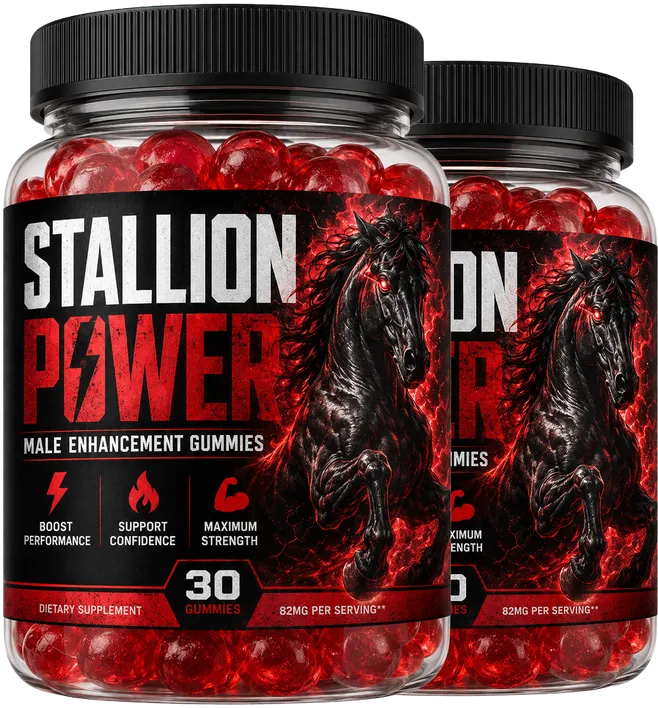
The honest caveat is that a food-first approach does not always close the gap. Soil depletion, appetite, travel and plain preference mean plenty of men who “eat well” still run short on zinc or vitamin D — and a deficiency is exactly what drags production down. That gap is the single best reason to consider a supplement, and it is where a formula like Stallion Power is designed to slot in, alongside the food rather than instead of it.
Cover the gaps your diet misses
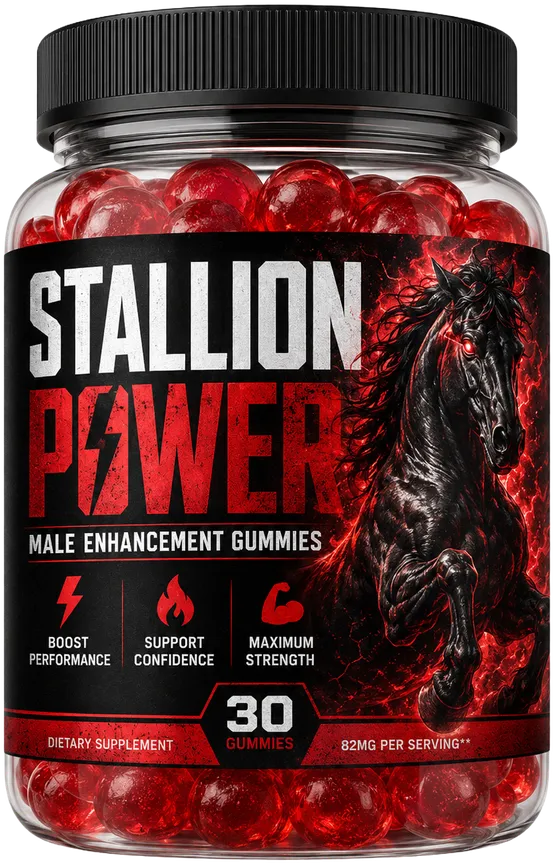
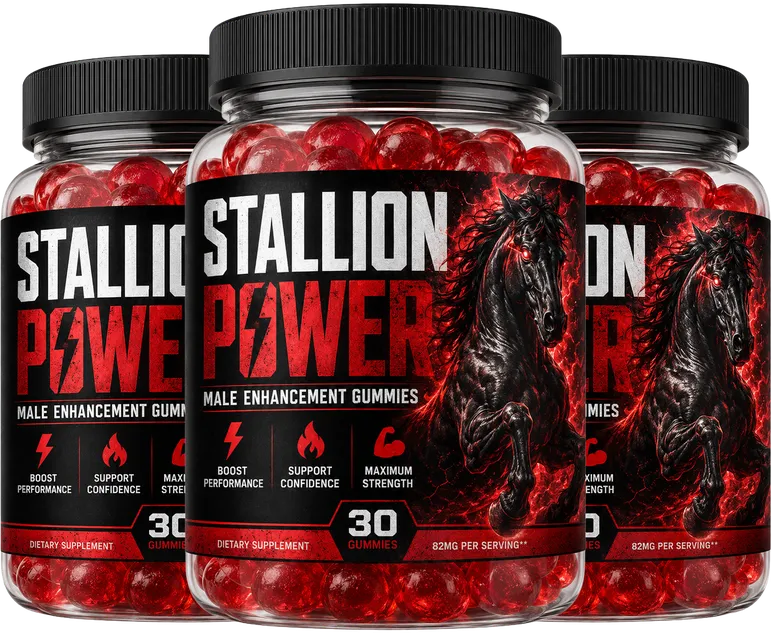
Stallion Power is a once-daily gummy built on nine botanicals including ashwagandha and maca, non-GMO and made in a GMP facility, with a 60-day money-back guarantee. It is support for your lifestyle work, not a replacement for it — see the full formula on the official store.
See Stallion Power On The Official StoreLever 5: Cut the stress and the heavy drinking
Cortisol, your main stress hormone, works in direct opposition to testosterone — when chronic stress keeps cortisol elevated, testosterone tends to sit lower. This is why high-pressure stretches with poor sleep hit your drive and energy so hard: it is not in your head, it is in your bloodstream. Managing stress is not a soft add-on; it is a hormonal intervention. Breathing practice, time outdoors, and simply protecting your sleep all lower the cortisol load.
Alcohol deserves its own line. Occasional drinking is not the enemy, but heavy or frequent drinking suppresses testosterone production directly and wrecks sleep quality on top of it. If you are serious about moving your numbers fast, a few weeks of cutting back is one of the quicker wins available. Ashwagandha, a traditional adaptogen that appears in many men's formulas including Stallion Power, is studied specifically in the context of stress and cortisol — another reason the supplement and the stress lever overlap.
Three myths to drop
“It takes years to change.” Wrong direction and wrong speed. Sleep and stress can move levels within days to two weeks; training and fat loss work over one to three months. Natural change is gradual but not glacial, and the compounding is real once you stack the levers.
“A supplement alone will do it.” No honest product claims this, and neither do we. A supplement cannot out-run four hours of sleep and a diet of ultra-processed food. What it can do is help cover nutrient gaps and add botanical support on top of the lifestyle work — a multiplier, not a substitute.
“More is always better.” Not for training, not for dieting, and not for supplements. Overtraining raises cortisol, extreme low-fat dieting suppresses production, and megadosing single nutrients past the point of deficiency does nothing useful. The body responds to sufficiency and consistency, not to punishment.
Where a supplement actually earns its place
Now the honest version of the supplement conversation, because this is where money gets wasted fastest. A supplement cannot manufacture testosterone, and it cannot compensate for a broken foundation of sleep, training and diet. What a well-built formula can do is two specific, useful things: help cover the nutrient gaps a real-world diet leaves open, and add botanical support — adaptogens like ashwagandha, and traditional vitality herbs like maca and tribulus — on top of the lifestyle work you are already doing. That is the correct mental model: multiplier, not engine.
When you evaluate one, use the same standard you would for anything you swallow daily. Favor a transparent label where you can see what you are getting; look for third-party testing, non-GMO sourcing and manufacturing in a GMP facility; and be honest with yourself about goals, because a botanical vitality blend is not a substitute for correcting a diagnosed deficiency your doctor should be managing. A once-daily format helps too, simply because the supplement that actually gets taken every day beats the more “optimal” stack that sits in a cupboard. Stallion Power is built along these lines — a single daily gummy of nine named botanicals, non-GMO and GMP-made — which is why it slots neatly onto the end of a lifestyle plan rather than pretending to replace one. If you want the fuller picture on choosing well, our natural testosterone booster guide for men walks through the ingredient-by-ingredient decision.
Your fast-start plan and realistic timeline
Put it together and the sequence is simple. This week, protect seven-plus hours of sleep and cut evening alcohol. This month, add two to four resistance sessions and start a modest calorie deficit if you are carrying extra weight. Throughout, eat for zinc, vitamin D and enough healthy fat, and use a supplement to backstop the nutrients your plate misses. Manage stress deliberately rather than hoping it fades.
As for how fast “fast” really is: expect the first shifts in energy and drive within a couple of weeks as sleep and stress improve, with the larger, structural gains from training and fat loss landing over eight to twelve weeks. If you are wondering when to expect changes from adding a formula on top, our breakdown of the realistic testosterone booster timeline and results sets sensible expectations. And if you are not yet sure whether low testosterone is even your issue, start with the common low testosterone signs in men before you change anything.
Frequently asked questions
How can I increase testosterone naturally and fast?
Fix sleep first, since even one extra hour a night is associated with roughly 15% higher testosterone. Add resistance training two to four times a week, lose excess body fat, eat enough protein and dietary fat, get your zinc and vitamin D, and cut chronic stress and heavy alcohol. These levers stack, and the first movements can appear within a few weeks.
What foods boost testosterone the most?
The most useful foods supply the raw materials your body uses to make testosterone. Oysters, beef and pumpkin seeds provide zinc; fatty fish, eggs and fortified foods provide vitamin D; and enough total dietary fat supports hormone production. No single food is magic, but correcting a zinc or vitamin D shortfall can matter, because a deficiency drags production down.
Does exercise really raise testosterone?
Yes. Both resistance training and cardio raise testosterone, with heavy compound lifts producing the sharpest acute response. Losing excess body fat through exercise adds a second, longer-lasting effect, since carrying less fat is linked to higher testosterone. Overtraining without recovery can backfire, so pair hard sessions with sleep and rest days.
How long does it take to raise testosterone naturally?
Sleep and stress changes can nudge levels within days to a couple of weeks. Training and body-fat changes work over one to three months as your body composition shifts. Correcting a nutrient deficiency operates on a similar timeline. Natural change is gradual and cumulative, so consistency over eight to twelve weeks beats any single intense push.
Related reading
Do the work, then back it up
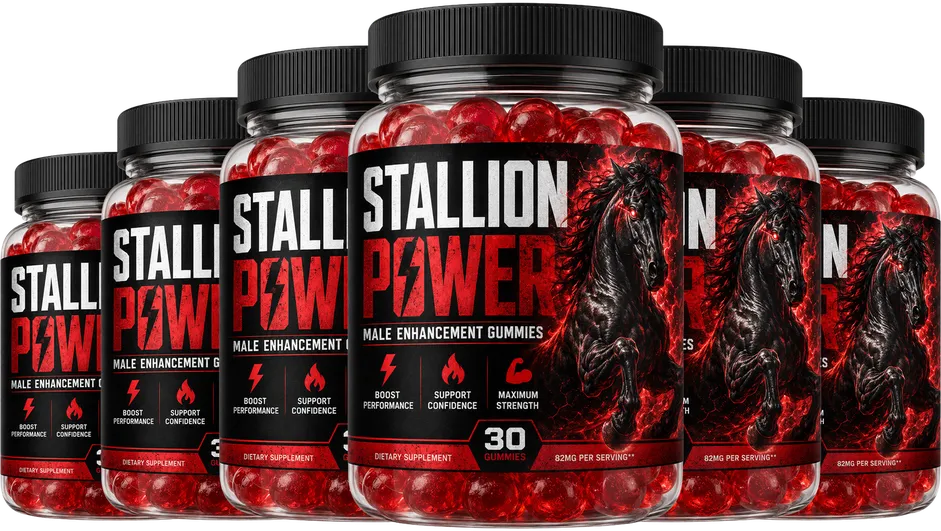
Sleep, training and diet do the heavy lifting; Stallion Power's once-daily botanical blend is there to support the gaps. Non-GMO, GMP-made in the USA, and covered by a 60-day money-back guarantee. Check the formula and bundle pricing on the official store.
Order From The Official StoreReferences
- JAMA / NIH — Effect of sleep restriction on testosterone in young men
- NIH Office of Dietary Supplements — Zinc Fact Sheet for Health Professionals
- NIH Office of Dietary Supplements — Vitamin D Fact Sheet for Health Professionals
- MedlinePlus — Testosterone, National Library of Medicine
- CDC — Physical Activity Basics